Leasing Data Center Space: Critical Guidelines for Technology Businesses
Leasing data center space represents a critical choice for technology firms. Power reliability, location, and security protocols are critical elements that influence performance. Lease terms and cost frameworks also serve a vital function in long-term planning. As businesses strive to accommodate shifting data needs, grasping these factors grows increasingly essential. What specific criteria should businesses prioritize to guarantee they make informed choices in this intricate domain?
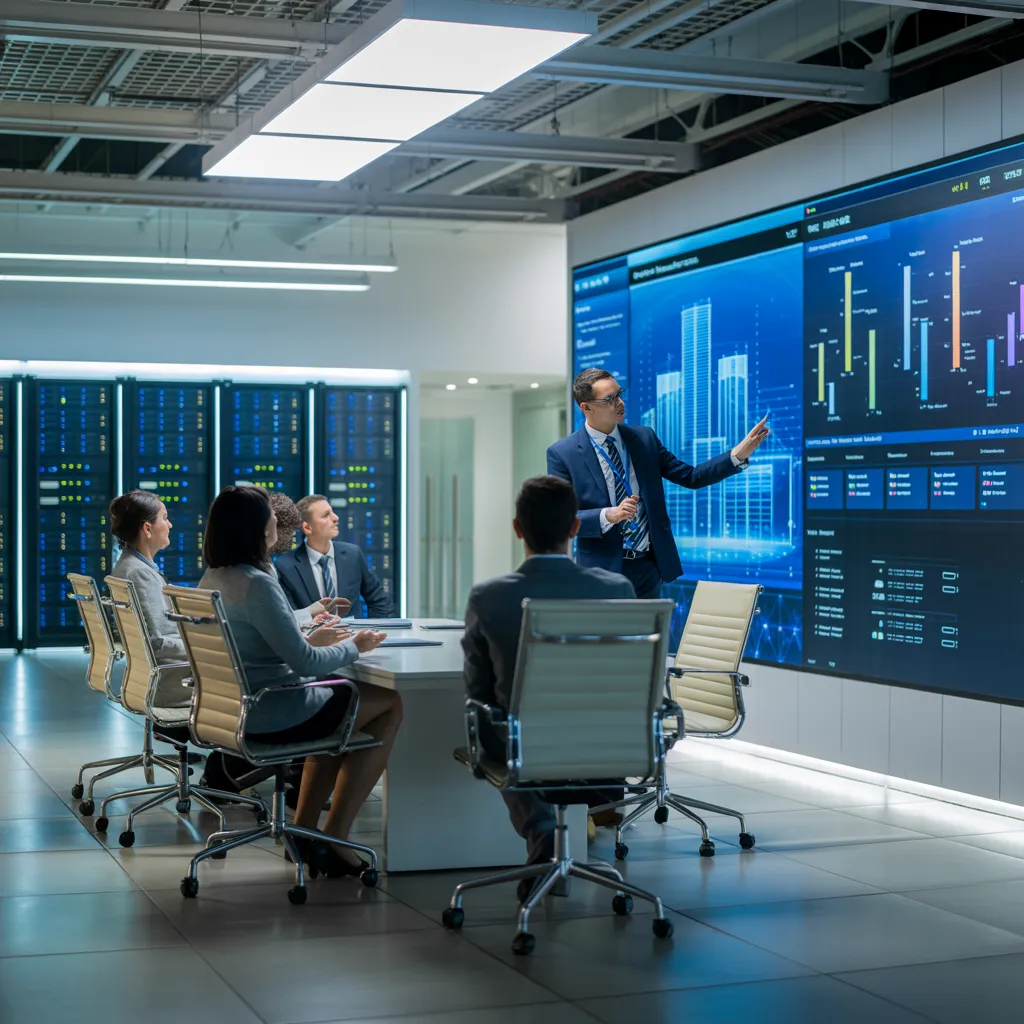
Choosing the Right Location for Data Center Leasing
When choosing a facility for data center leasing, businesses must consider several key factors that can influence operational efficiency and cost. The geographic location greatly influences accessibility and latency, so proximity to major markets is crucial. Furthermore, organizations should assess the surrounding climate, as climate conditions can impact energy consumption and cooling requirements.
The availability of robust facilities, including transportation networks and fiber optic connections, is critical for maintaining uninterrupted operations. Moreover, regulatory factors, such as zoning regulations and environmental guidelines, can impact the viability of a site.
Organizations ought to also consider the danger of natural catastrophes, such as earthquakes or floods, which may jeopardize data integrity. In the end, a carefully selected location not only reduces operational vulnerabilities but also optimizes performance, guaranteeing that the data center supports corporate strategies and growth strategies.
Assessing Power and Connectivity Solutions for Your Data Center Infrastructure
Selecting an ideal location for a data center sets the stage for examining power and connectivity infrastructure, both of which are essential to operational effectiveness. Technology firms must focus on dependable power supplies to ensure minimal disruption. This entails reviewing the accessibility of backup systems, like uninterruptible power supplies (UPS) and standby generators, which can safeguard against outages.
Network connectivity choices are equally critical. Businesses should assess the presence of multiple internet service providers to improve bandwidth and reduce latency. This secures reliable network performance, which is essential for data transmission and operational productivity. Furthermore, closeness to fiber optic networks can significantly affect connection speeds.
Ultimately, a comprehensive review of power supply and network connectivity options will allow tech companies to reach well-informed conclusions, improving both operational performance and dependability in their data center management.
What You Need to Know About Data Center Security and Compliance
When leasing data center space, understanding security and compliance is essential. This encompasses examining physical security measures, complying with data encryption standards, and meeting regulatory compliance requirements. Combined, these components secure the protection of sensitive data and the reliability of operations.
Physical Security Measures
Ensuring robust physical security measures is essential for any organization leasing data center space. These safeguards shield sensitive information and infrastructure from unauthorized access, theft, and potential catastrophes. Essential elements encompass access control mechanisms, which control entry to credentialed individuals through biometric authentication or key cards. CCTV systems and monitoring solutions provide uninterrupted observation of the facility, while dedicated security teams can react quickly to any security violations. Moreover, structural barriers including fences and fortified walls help prevent intrusion. Businesses must also consider the geographic placement of the data center, confirming it is located at a safe distance from natural disaster-prone areas. Conformance with established industry standards and regulations bolsters security measures, offering reassurance to technology firms that rely on external facilities for their data.
Data Encryption Standards
Data encryption protocols serve a vital function in protecting confidential data stored in data centers. These frameworks maintain data integrity whether stored or being transferred, defending it against unauthorized intrusion and data breaches. Common encryption protocols, such as AES (Advanced Encryption Standard) and RSA (Rivest-Shamir-Adleman), provide robust frameworks for encrypting data. Implementing these standards mitigates risks associated with data theft and enhances overall security posture. Moreover, businesses should focus on key management strategies, making certain that encryption keys are stored and handled securely. Routine assessments and revisions of encryption techniques are necessary to counter evolving threats and security gaps. By following proven encryption standards, tech organizations can enhance their data security measures and foster client confidence in their data protection capabilities.
Requirements for Regulatory Compliance
Navigating compliance with regulations is critical for companies managing data centers. Following regulations such as HIPAA, GDPR, and PCI DSS ensures that data is handled securely and protects sensitive information. Organizations must perform routine audits and establish strong security protocols to meet these standards. Failure to comply can lead to significant fines and reputational damage. Additionally, companies should stay informed about updates in regulations and established industry standards to modify their plans appropriately. Partnering with experienced data center providers can support compliance with these regulations, as many include dedicated compliance capabilities. Ultimately, adopting a preventative approach to regulatory compliance not only protects data but also strengthens customer trust and confidence in the business's devotion to security.
Exploring Data Center Costs and Rental Terms
Steering through the challenges of data center expenses and leasing conditions requires a clear understanding of multiple cost models and potential hidden fees. The adaptability of lease durations can greatly impact general expenditures and operational effectiveness. Awareness of these factors is vital for making informed decisions in data center procurement.
Understanding Cost Structures
Leasing data center space involves a multifaceted relationship of expenses and lease conditions that can substantially influence an organization's budget. Primary financial elements encompass foundational rent, energy expenses, upkeep charges, and supplementary services including security and cooling. Enterprises need to account for dynamic expenses that shift according to consumption patterns, and the possibility of cost growth connected to inflation or market conditions. Understanding these financial elements is vital for accurate budgeting and forecasting. Furthermore, lease agreements often contain stipulations regarding liability, insurance, and termination clauses, which can additionally influence total costs. A thorough analysis of both direct and indirect costs is essential for tech companies to make informed decisions that correspond with their business and fiscal priorities.
Lease Duration Flexibility
As many organizations emphasize cost efficiency in data center leasing, the flexibility of lease duration can greatly influence their overall strategy. Tech companies often face rapid changes in demand due to market fluctuations or technological advancements. As a result, opting for shorter lease terms can provide the agility needed to adapt to these shifts without incurring long-term commitments. In contrast, longer leases can present cost savings and stability, drawing in companies with consistent and predictable growth paths. Furthermore, organizations should evaluate renewal options, as they can offer additional flexibility in modifying space to meet future requirements. Ultimately, evaluating lease duration flexibility is essential for aligning data center strategies with business objectives, ensuring that companies remain competitive and responsive in a dynamic environment.
Hidden Fee Transparency
How can organizations effectively manage the often-overlooked costs associated with data center leases? Undisclosed costs can substantially raise the overall expense of renting space, requiring businesses to perform comprehensive research. These fees may include charges for utilities, maintenance, security, and bandwidth, frequently hidden within contract documents. A thorough examination of every expense is crucial; businesses should demand clarity in fee breakdowns and resolve any unclear provisions. Moreover, discussing agreement terms can minimize surprise costs, ensuring that all parties have a clear understanding of financial obligations. By being vigilant and proactive, technology firms can more effectively manage the intricacies of facility rentals and avoid surprises that could impact their bottom line.
Strategizing for Growth: Scalability and Adaptability in Data Center Leasing
Flexibility is essential in the constantly shifting landscape of technology, especially when it comes to leasing data centers. Companies must prioritize scalability and flexibility to meet changing demands. As businesses grow, their data needs frequently increase, calling for a flexible leasing plan. Opting for a data center that facilitates straightforward scalability can enable companies to sidestep costly migrations or infrastructure upgrades.
Adaptability in contract arrangements is also important, allowing companies to adjust their spatial and resource assignments as needed. This might involve revisiting agreements or selecting briefer contract terms that facilitate quick scaling or reduction. Additionally, tech companies should consider providers that provide scalable options, facilitating incremental expansion without substantial initial costs. By focusing on these factors, businesses can guarantee their infrastructure solutions support their extended goals, consequently driving sustained growth and operational efficiency.
Colocation vs. Dedicated Data Center Solutions: Finding the Right Fit for Your Needs
Selecting the most suitable data center approach is vital for businesses traversing the complexities of today's technology landscape. Dedicated data center solutions and colocation each present specific strengths designed for different organizational needs. Colocation enables businesses to lease space within a common facility, facilitating the distribution of infrastructure and resource expenses. This solution is especially connected information advantageous for organizations looking for expandable capacity without considerable initial financial commitment.
Conversely, dedicated data center solutions deliver private access to an entire facility, offering superior security protocols and personalized setups. This solution is particularly valuable for companies with specific compliance requirements or those requiring customized performance benchmarks.
In the end, the decision depends on elements including budget, security needs, and growth prospects. Organizations must evaluate the flexibility and cost-effectiveness of colocation compared with the oversight and protection afforded by dedicated solutions. A thorough evaluation of business needs will lead businesses to the most effective data center strategy.
Common Questions and Answers
How Much Time Does It Usually Take to Set up a Leased Data Center?
Typically, setting up a leased data center takes approximately three to six months. This timeline incorporates the planning, installation, and configuration stages, shaped by the complexity of the requirements and the availability of infrastructure and resources.
What Are the Common Pitfalls in Leasing Data Center Space?
Typical errors in leasing data center space include poor due diligence, neglecting scalability requirements, overlooking power and cooling specifications, disregarding contractual obligations, and failing to account for geographical risks that could impact operations.
Can I Tour the Facility Before Signing a Lease?
Yes, future tenants can generally schedule a tour of the facility before committing to a lease. This gives them the opportunity to evaluate infrastructure, security measures, and overall suitability, helping them make informed decisions regarding their data center space requirements and expectations.
What Support Services Are Generally Included in Leasing Agreements?
Support provisions in leasing agreements commonly encompass security, maintenance, cooling systems, power management, technical support, and in some cases extra services like data backup and network oversight, providing consistent reliability and efficiency for lessees.
How Do I Handle Equipment Maintenance in a Leased Data Center?
To oversee equipment maintenance in a rented data center, it is advisable to establish open communication with the service provider, arrange regular assessments, and confirm that maintenance obligations are properly outlined in the rental agreement.