Retail Colocation: Streamline Your Supply Chain and Elevate Customer Experience*
Retail colocation offers a powerful solution for organizations aiming to enhance their supply chains. By centralizing logistics and inventory management, retailers can significantly improve operational efficiency. This strategy not only cuts overhead but also increases stock visibility. However, the successful implementation of retail colocation demands a nuanced understanding of its opportunities and complexities. As the market transforms, retailers must assess the role of innovation in facilitating this transformation. What key elements will define their success?
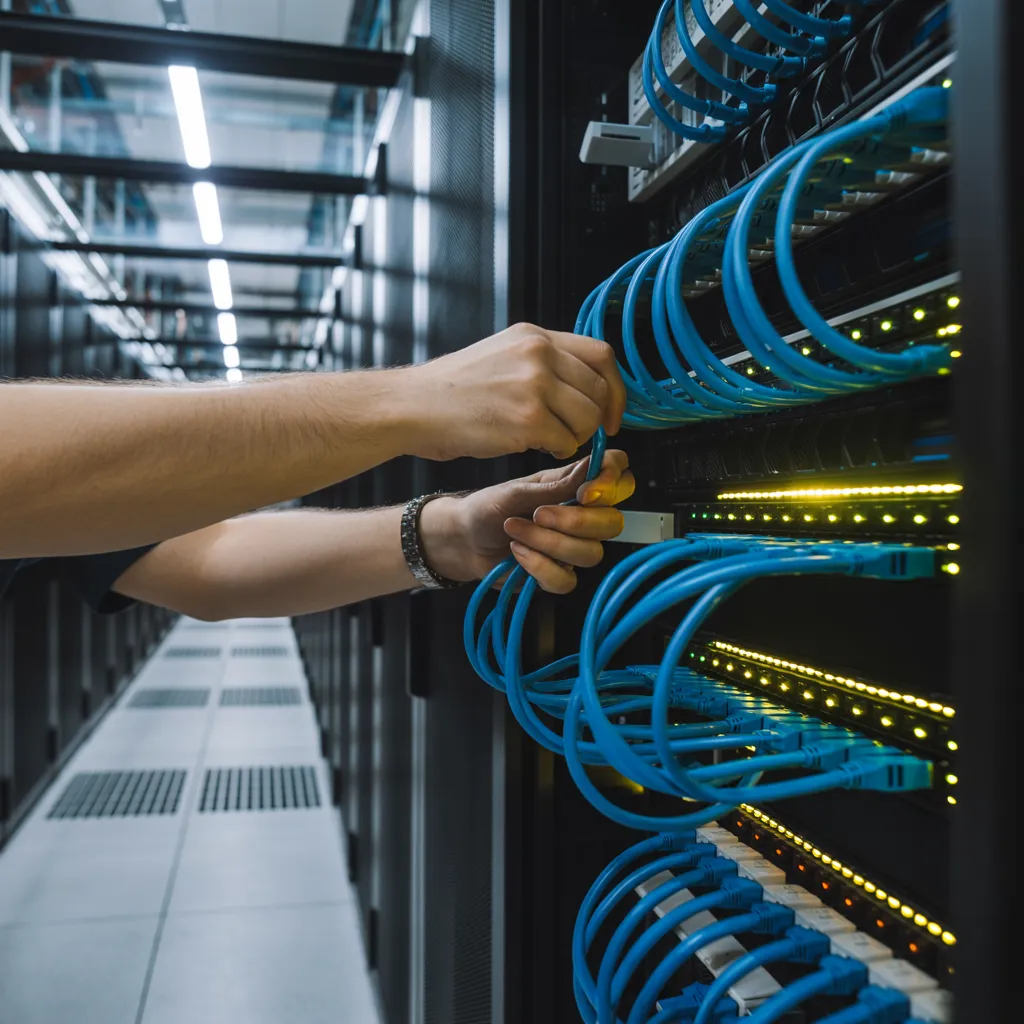
Navigating the Challenges in Retail Supply Chains
Technical limitations further compound these challenges, as many retailers struggle to integrate advanced systems for real-time tracking and data analysis. This absence of clear insight can impede critical decision-making and the ability to respond swiftly to market shifts. Additionally, the increasing complexity of logistics, including transportation costs and regulatory requirements, adds layers of difficulty.
Overcoming these difficulties necessitates a strategic approach, emphasizing partnership across all stakeholders, investment in technology, and agile methodologies to respond to evolving market dynamics. By overcoming these hurdles, retailers can enhance operational efficiency and elevate the overall customer experience.
Exploring Retail Colocation and Its Advantages
Retail colocation provides a strategic advantage by enhancing supply chain efficiency through more efficient processes. By consolidating resources, businesses can attain efficient resource allocation, ultimately leading to increased profit margins. Recognizing these advantages is essential for retailers looking to enhance their logistics and operational frameworks.
Strengthened Supply Chain Operations
Optimizing supply chain operations is a critical objective for businesses pursuing a competitive edge, and retail colocation provides a strategic solution. By centralizing services within a shared facility, retailers can strengthen communication and collaboration among various stakeholders, including suppliers and logistics providers. This proximity fosters real-time data sharing, allowing quicker responses to market demands and minimizing lead times. Additionally, retail colocation minimizes transportation costs and carbon footprints by unifying inventory. Optimized inventory management and optimized distribution channels contribute to a more agile supply chain, empowering businesses to adapt rapidly to changes in consumer behavior. Ultimately, retail colocation not only improves operational efficiency but also ensures a seamless customer experience, positioning businesses for sustained success in a competitive landscape.
Efficient Resource Management Solutions
Effective supply chain operations lay the groundwork for exploring cost-effective resource management within the retail sector. Retail colocation empowers organizations to merge resources, cutting the overhead costs linked to sustaining distinct facilities. Through the sharing of infrastructure and services, retailers are able to attain economies of scale that boost profitability while reducing waste. This cooperative strategy encourages innovation, enabling businesses to utilize shared knowledge and technology to optimize operations. Additionally, reduced logistical complexities lead to quicker response times, aligning inventory levels with consumer demand more effectively. Therefore, organizations can enhance their resource deployment, making certain that capital is placed where it produces the most significant return. Overall, retail colocation represents a strategic avenue for enhancing both operational efficiency and cost management in today's competitive market.
Enhancing Supply Chain Performance With Retail Colocation
Reaching outstanding supply chain effectiveness commonly relies on groundbreaking methods, and retail colocation emerges as a game-changing answer. By consolidating multiple retailers within a shared facility, businesses can optimize their distribution processes, cutting freight expenditures and refining inventory oversight. This collaborative approach fosters real-time data sharing, empowering partners to address market changes and buyer requirements with agility.
Retail colocation additionally boosts transparency across the supply chain, allowing stakeholders to track products from suppliers to end customers seamlessly. By utilizing shared resources, organizations can limit waste and enhance storage capacities, ultimately resulting in quicker turnaround times. Additionally, the closeness of multiple retailers can encourage partnerships and joint marketing initiatives, thereby improving operational efficiency. In an increasingly competitive landscape, embracing retail colocation can deliver a considerable benefit, ensuring that supply chains remain agile and responsive to evolving consumer needs.
Critical Factors for a Successful Retail Co-location Approach
The foundation of a successful retail colocation strategy relies on several key elements. Seamless data integration guarantees efficient communication across platforms, while scalable infrastructure solutions support growth. Additionally, deliberate location selection proves essential in enhancing accessibility and streamlining operational efficiency.
Seamless Data Integration
While maneuvering through the complexities of retail colocation, seamless data integration stands out as a critical component for success. Such integration supports real-time data exchange across multiple platforms, enhancing visibility and responsiveness throughout the supply chain. Through the synchronization of data across inventory management systems, customer relationship management tools, and logistics platforms, retailers can streamline operations and make more informed decisions. Moreover, effective data integration fosters collaboration among stakeholders, allowing for proactive issue resolution and improved customer service. Retailers that prioritize seamless data integration can better anticipate market trends and customer preferences, ultimately driving sales and satisfaction. In a competitive landscape, this competency is vital for maximizing operational performance and maintaining a robust, agile supply chain.
Scalable Infrastructure Solutions
Successful retail colocation depends significantly on dynamic infrastructure solutions that respond to shifting operational demands. Organizations must prioritize flexibility in their IT frameworks, enabling smooth scaling up or down in response to market conditions. Cloud computing, virtualization, and modular systems are essential components that enable retailers to efficiently manage resources and respond to fluctuations in customer traffic. Furthermore, these technologies support the swift introduction of new services, boosting overall operational productivity. With scalable infrastructure in place, retailers can refine their supply chain workflows, maintaining a strong competitive edge in a constantly changing landscape. At its core, a carefully planned infrastructure not only enables business development but also enhances the overall customer journey, as services can be consistently deployed and fine-tuned to meet immediate demands.
Optimal Location Strategy
Selecting the right location for retail co-location is essential for optimizing operational efficiency and enhancing customer engagement. Careful site selection involves evaluating factors such as proximity to suppliers, transportation networks, and target demographics. A well-chosen site lowers supply chain costs and enhances stock management, maintaining consistent product accessibility. Additionally, visibility and ease of access are critical; locations that attract foot traffic can significantly enhance customer interactions and customer allegiance. In addition, examining local competitive landscapes enables companies to identify advantageous opportunities. By emphasizing these considerations, retailers can create a comprehensive colocation plan that not only enhances efficiency but also fosters an engaging shopping experience, thereby increasing revenue and improving customer fulfillment.
How Technology Drives Retail Colocation Innovation
As technology keeps advancing, it significantly transforms the world of retail colocation, boosting operational effectiveness and service delivery. Advancements including شاهد الآن cloud computing and sophisticated data analytics facilitate seamless integration of services, enabling retailers to refine their supply chain operations. This integration enables real-time inventory management, reducing excess stock and improving turnover rates. Furthermore, the implementation of Internet of Things (IoT) technology empowers retailers to monitor customer behavior and preferences, tailoring offerings to enhance the shopping experience.
Artificial intelligence (AI) also plays a significant role enabling predictive analytics that help retailers anticipate demand fluctuations and optimize resource allocation. Furthermore, automation tools streamline operational workflows, cutting labor costs and reducing the risk of human error. As these innovations in technology keep progressing, retail colocation will evolve, driving efficiency and fostering innovative customer engagement strategies. In the end, technology serves as a driving force, reshaping retail colocation into a vibrant and adaptive space.
Actual Success Stories from Retail Colocation
Although numerous retailers struggle with managing intricate supply chains, some have adopted retail colocation to attain impressive achievements. A standout case features a major grocery chain that merged its logistics operations within a colocation facility. This transition refined inventory management, considerably decreasing delivery times and boosting customer satisfaction.
Another success story involves a popular electronics retailer that utilized colocation services to centralize its data processing. By taking this approach, the electronics retailer achieved greater real-time inventory visibility and optimized its order fulfillment process, leading to a significant increase in online sales.
Furthermore, a fashion retailer leveraged colocation to strengthen its supply chain responsiveness, permitting faster responses to shifting market demands. As a result, the business not only improved operational effectiveness but also boosted its overall financial performance. These real-world instances demonstrate how retail colocation can redefine supply chain processes and elevate customer experiences, establishing retailers for continued expansion.
Questions We Often Receive
Which Business Types Stand to Benefit Most From Retail Colocation?
Organizations like e-commerce companies, distribution firms, and technology businesses benefit most from retail colocation. Such companies enjoy enhanced operational performance, decreased network latency, and enhanced customer satisfaction by taking advantage of shared resources and infrastructure in strategically positioned facilities.
What Effect Does Retail Colocation Have on Inventory Management Practices?
Retail colocation simplifies inventory management by consolidating storage and distribution, boosting accuracy and efficiency. Businesses experience reduced lead times, improved real-time tracking, and decreased stockouts, ultimately resulting in better customer satisfaction and optimized operations.
What Are the Expenses Involved in Implementing Retail Colocation?
Implementing retail colocation services entails various financial considerations, comprising infrastructure investments, recurring operational expenditures, personnel needs, along with potential technology upgrades. Moreover, enterprises could face costs associated with training and integration of systems to guarantee uninterrupted functionality.
How Do Small Retailers Effectively Gain Access to Colocation Services?
Independent store owners can obtain data center colocation effectively by collaborating with dedicated service providers, utilizing flexible infrastructure options, and investigating communal data center spaces. This strategy minimizes overhead costs while providing robust operational infrastructure and enhanced operational efficiency for their retail operations.
How Does Sustainability Influence Retail Colocation Decisions?
Sustainability significantly impacts retail colocation decisions, as businesses increasingly prioritize sustainable operations. By choosing sustainable providers, businesses strengthen their brand reputation, lower their ecological impact, and meet the expectations of eco-aware customers, which in turn cultivates enduring trust and loyalty.